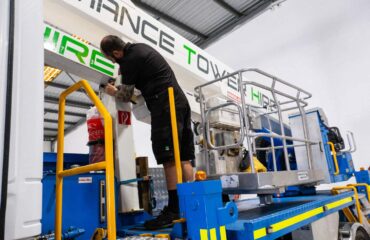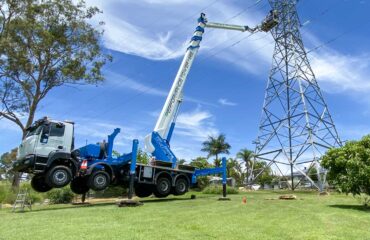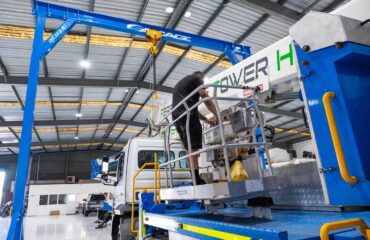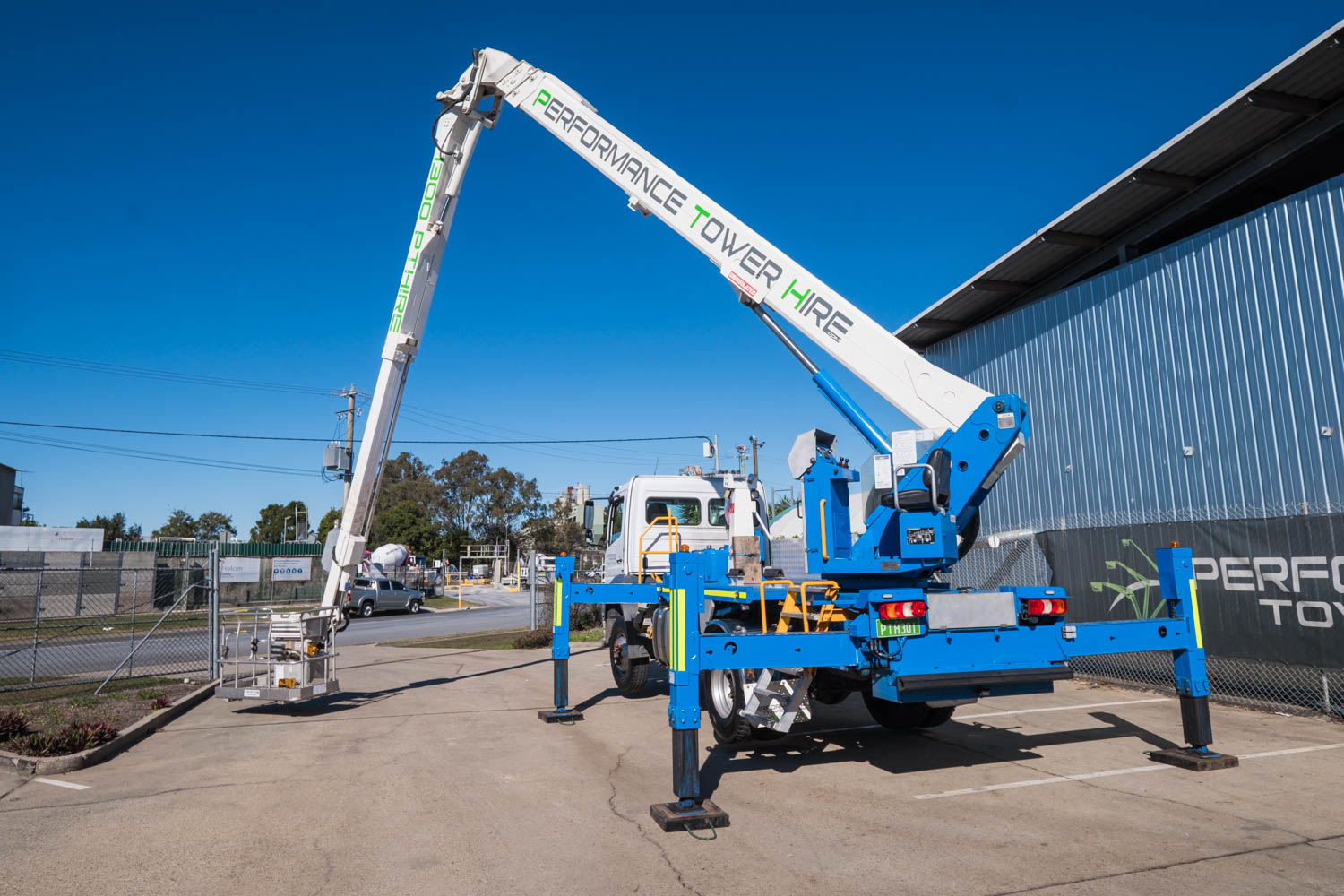
One of the biggest choices you make when hiring an EWP is whether to opt for wet hire or dry hire. Each has its benefits, but today we’re going to look at why wet hire is safer than dry hire in many cases.
Wet hire is ideal if you don’t have certified operators on your team, as the hired machine will come with a qualified operator who takes responsibility for how the machine is used.
Dry hire can sometimes seem like the more cost-effective option and could suit businesses that have the experienced and qualified manpower to take care of operating the elevated work platform. The responsibility for operation, setup, and decision-making is on the business hiring out the machine.
The distinction of responsibility is an important one when it comes to safety in real-world terms. Here are five clearer reasons why many businesses feel wet hire is safer.
1. Reduced Human Error
EWP accidents are usually caused by human error or incorrect operation rather than mechanical failure.
It could be from overloading the basket, positioning poorly or misjudging the weather conditions – plenty of things can go wrong with an inexperienced and untrained operator.
With wet hire, the equipment is operated by someone who:
- Is trained and licensed on that specific class of machine
- Understands manufacturer systems and safe working envelopes
- Operates the platform often, not just occasionally
That experience translates directly into safer decisions. A wet hire operator is less likely to push limits, rush a setup, or operate outside safe parameters under pressure.
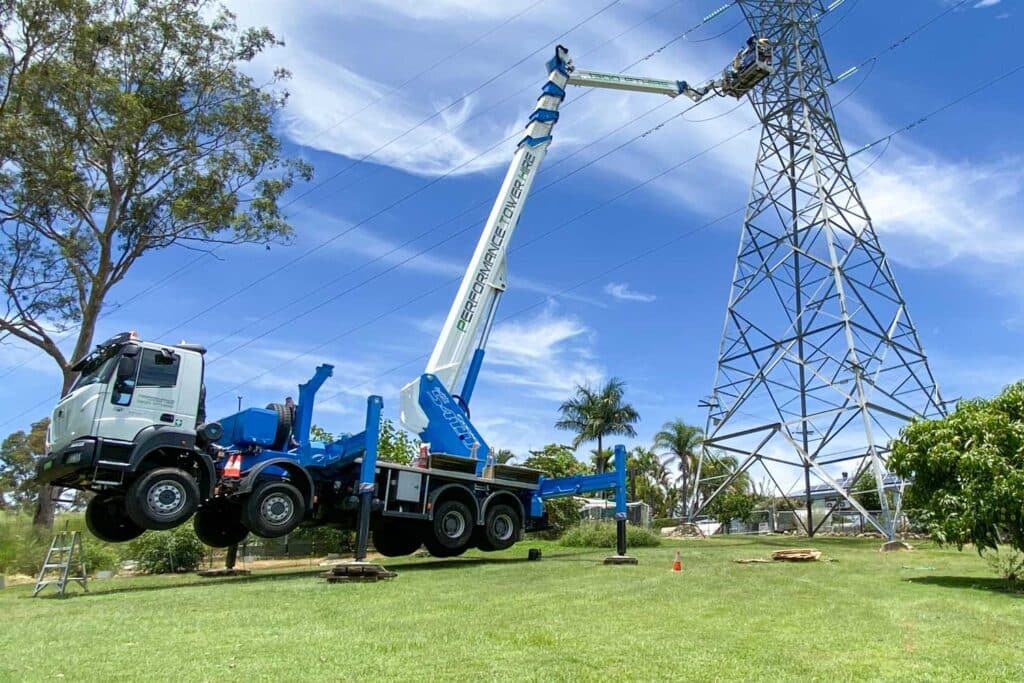
2. Expert Site Condition Assessment
The prevailing conditions at a work site have a huge impact on how an elevated work platform can be used. There are the ground conditions, the weather, traffic patterns and accessibility.
These conditions can change as the day progresses too, so it’s essential that an operator can identify this and adapt.
A wet hire operator will:
- Assess ground bearing capacity before setup
- Identify slopes, underground services and edge risks
- Adjust machine positioning if conditions change
Dry hire assumes the business has an operator who can recognise these risks early and act on them. However, because they don’t necessarily operate EWPs every day, risks could be missed.
Wet hire adds an experienced set of eyes focused solely on safe operation. The operator is manning their machine day in and day out, so expert site assessment is second nature to them.
3. Equipment Used Correctly
EWPs have strict operating limits. Outreach limits, basket loads, wind ratings and stabiliser placement all matter.
If an operator is unfamiliar with a machine, they may compromise on operating limits for different reasons. Adding a bit of extra load to the basket, settling on a slightly uneven setup so the job can get started ASAP.
Wet hire takes away that risk. The operator:
- Uses the machine strictly within manufacturer specifications
- Sets up the elevated work platform for stability, not convenience
- Stops work when conditions become unsafe.
A wet hire operator will make safety decisions independently of job pressure.
4. Safety and Compliance Handled Right
EWP safety is not just about what happens inside the basket of the machine – it’s also about documentation, procedures and coordination on-site.
A wet hire operator will be expert at managing:
- Pre-start inspections
- Logbooks
- Confirmation that the machine is suitable for the task
- Alignment with site safety plans
- Establishment of exclusion zones and coordination with spotters
If best safety practice is closely followed and EWP operations are fully compliant, it reduces the burden on site supervisors and contractors who may not be specialists in access equipment.
5. Proactive Problem Solving
Not every risk can be identified during planning, because conditions change once work is underway. The wind can pick up, or access roots can be restricted. You have to work around other trades on site too, and there may be powerlines to deal with.
An experienced wet hire operator continuously assesses the site and the EWP. They can spot the early signs of changing conditions and then adapt what they’re doing and how the platform is being used accordingly.
The operator will also know when to stop if conditions become unsafe. There’s no uncertainty – instead you’re getting experienced, clear and informed decision-making from somebody who knows exactly what they’re doing.
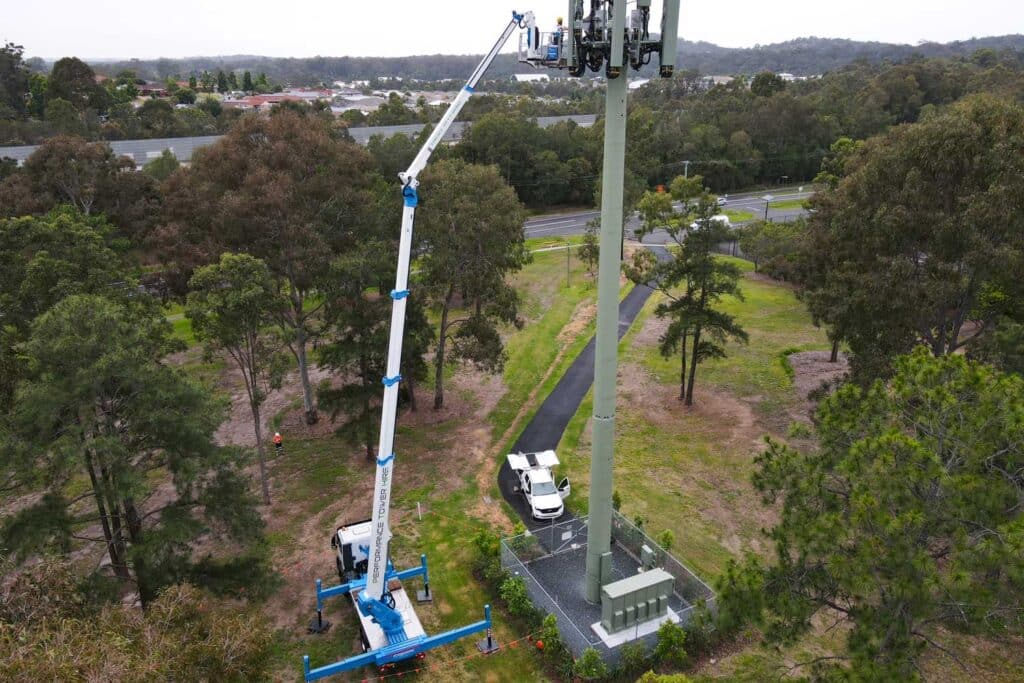
Managing Risk with Wet Hire
Wet hire is often viewed as a premium option. In reality, it is a risk management decision because it reduces:
- Operator error
- Equipment misuse
- Compliance gaps
- Site supervisor exposure
- Incident likelihood
It’s usually the safest and most efficient option when you’re dealing with complex lifts, tight access, uneven ground, short-duration jobs, or high-risk environments.
When Wet Hire Makes Sense
Wet hire is particularly well-suited to the following environments where an experienced operator could prove critical:
- Commercial and industrial sites
- Government and infrastructure projects
- Confined or uneven access areas
- Jobs requiring precise positioning
- Sites with strict safety and compliance requirements
Contact Performance Tower Hire for Wet and Dry Hire
At Performance Tower Hire, we’re not just about supplying equipment. We want to work with you to get the job done successfully and efficiently. That’s why we offer both wet and dry EWP hire, so you can settle on the approach that suits your job best.
If you’re after control, confidence and experience onsite, our wet hire is going to tick all the boxes. We supply experienced operators who understand the machines, the risks, and the realities of working environments. They’re there to ensure a safe elevated work platform experience with fewer surprises and less risks.
Get in touch with our team today to find out more. We’re here to answer all your questions.